
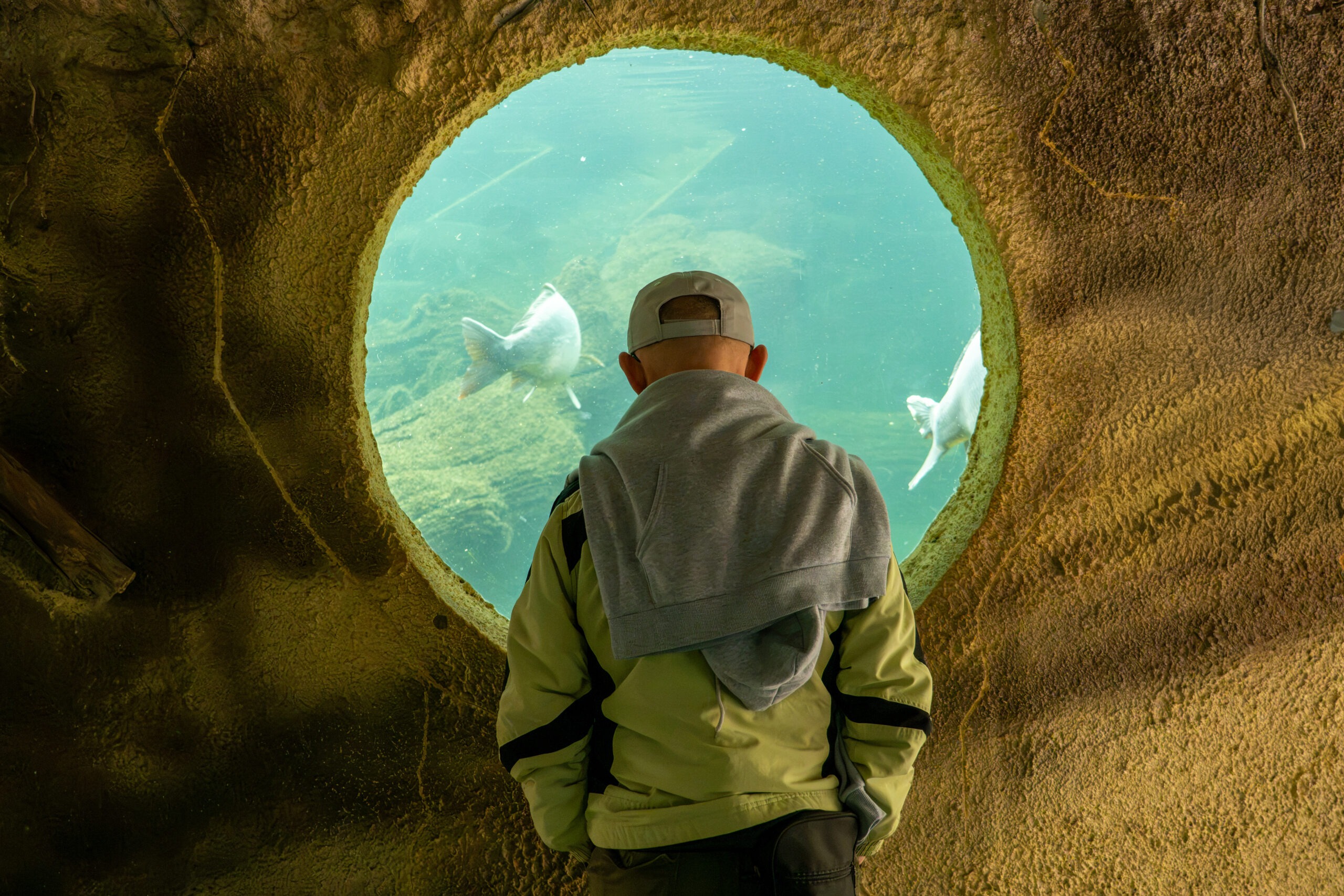
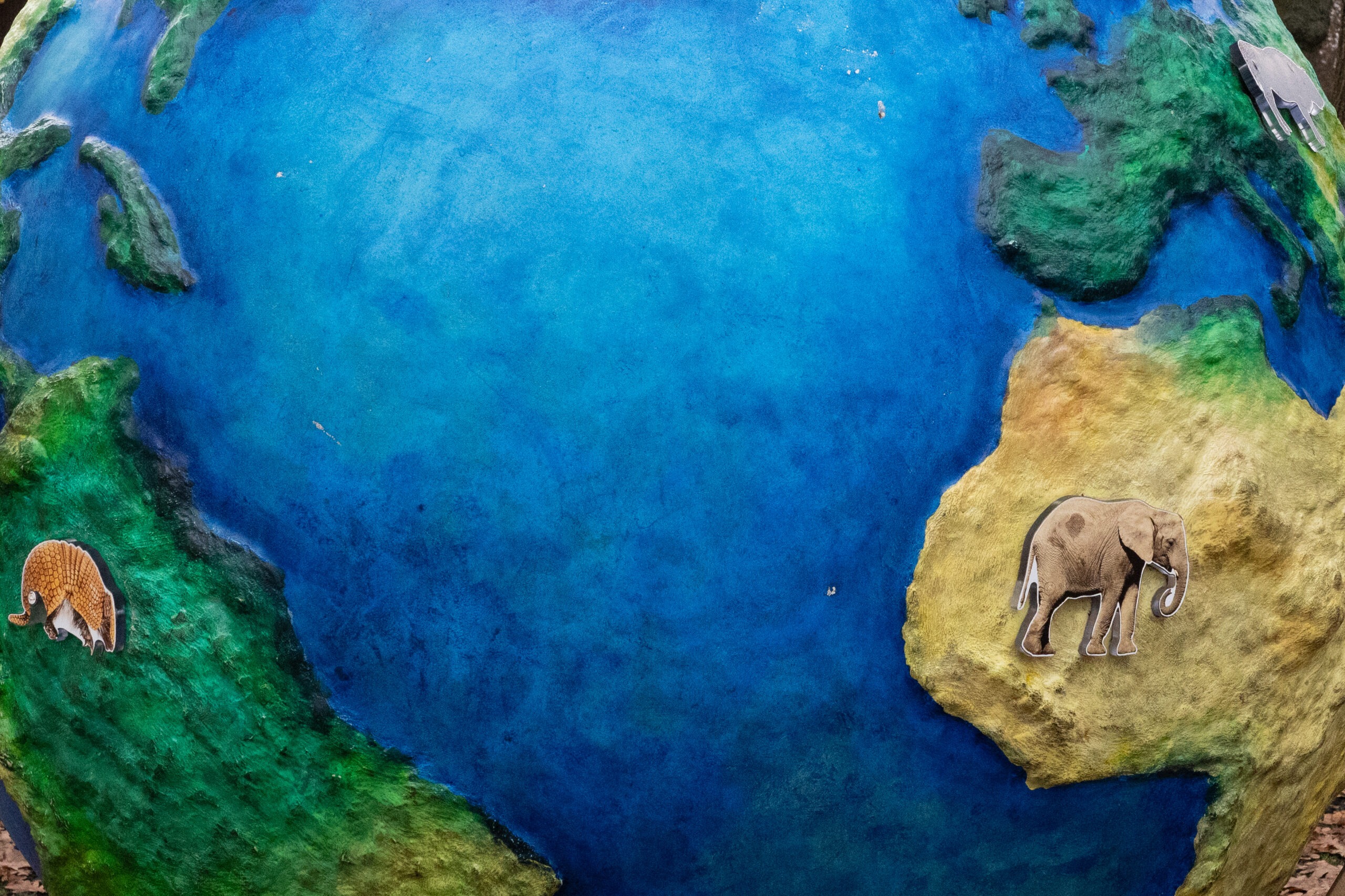
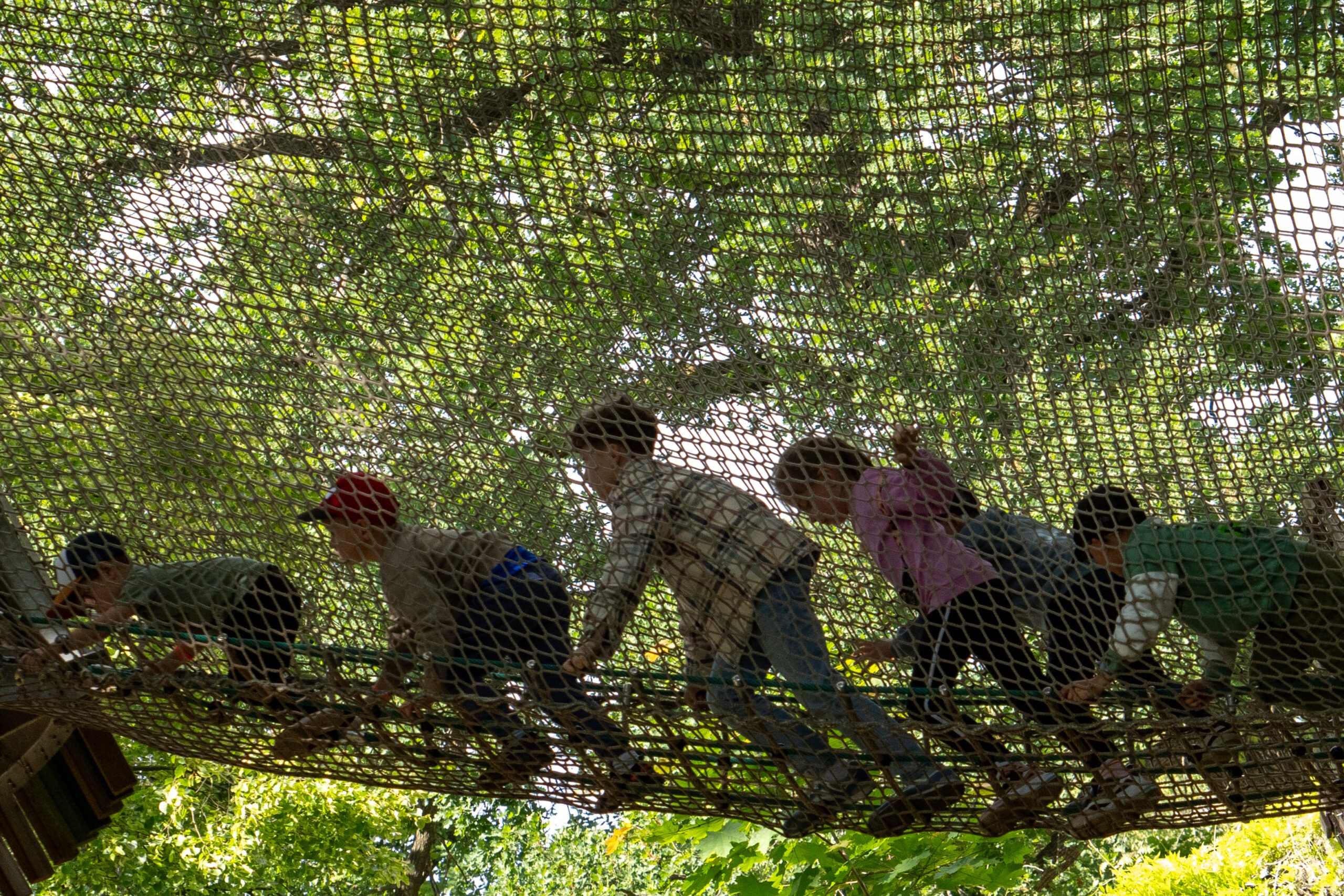


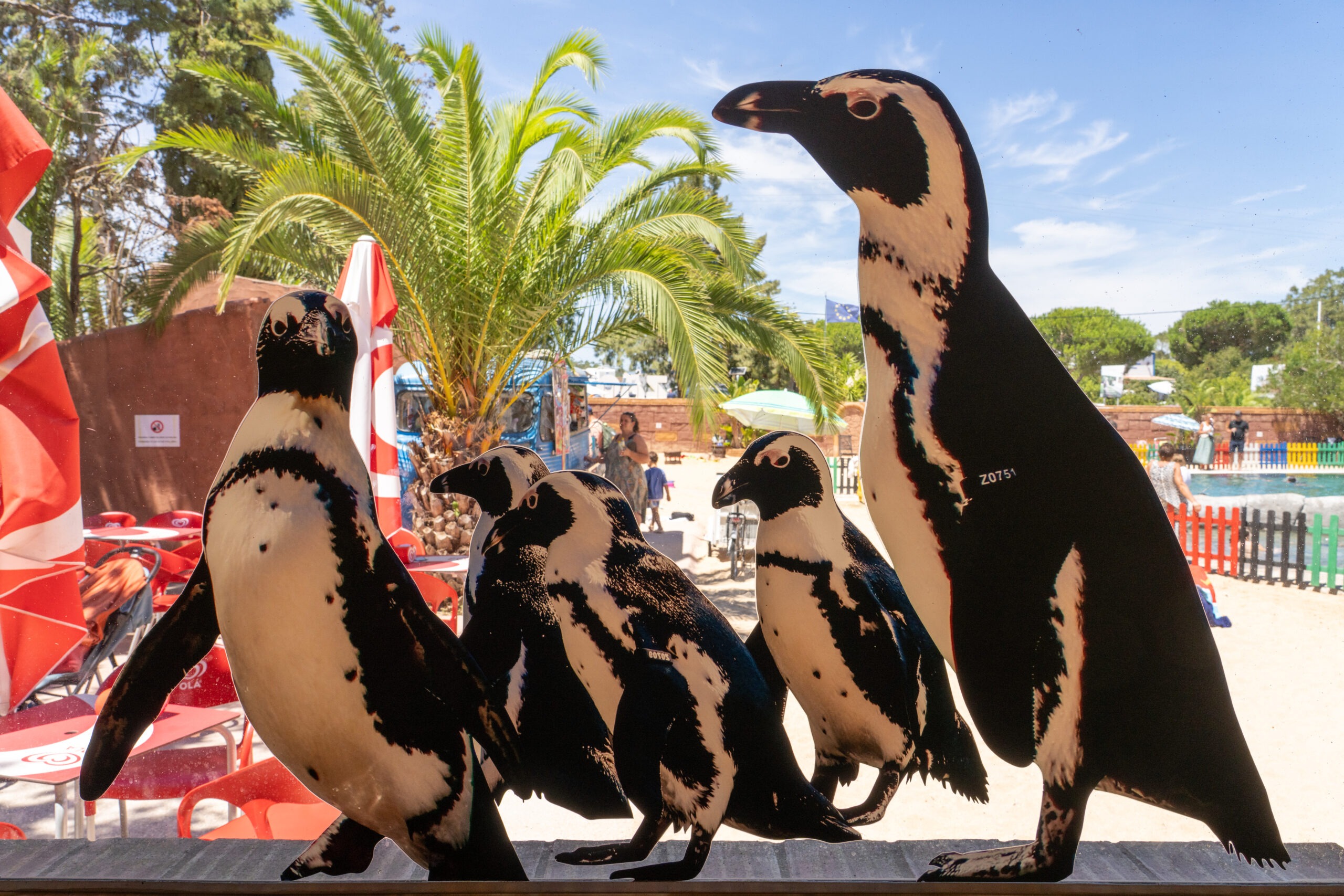
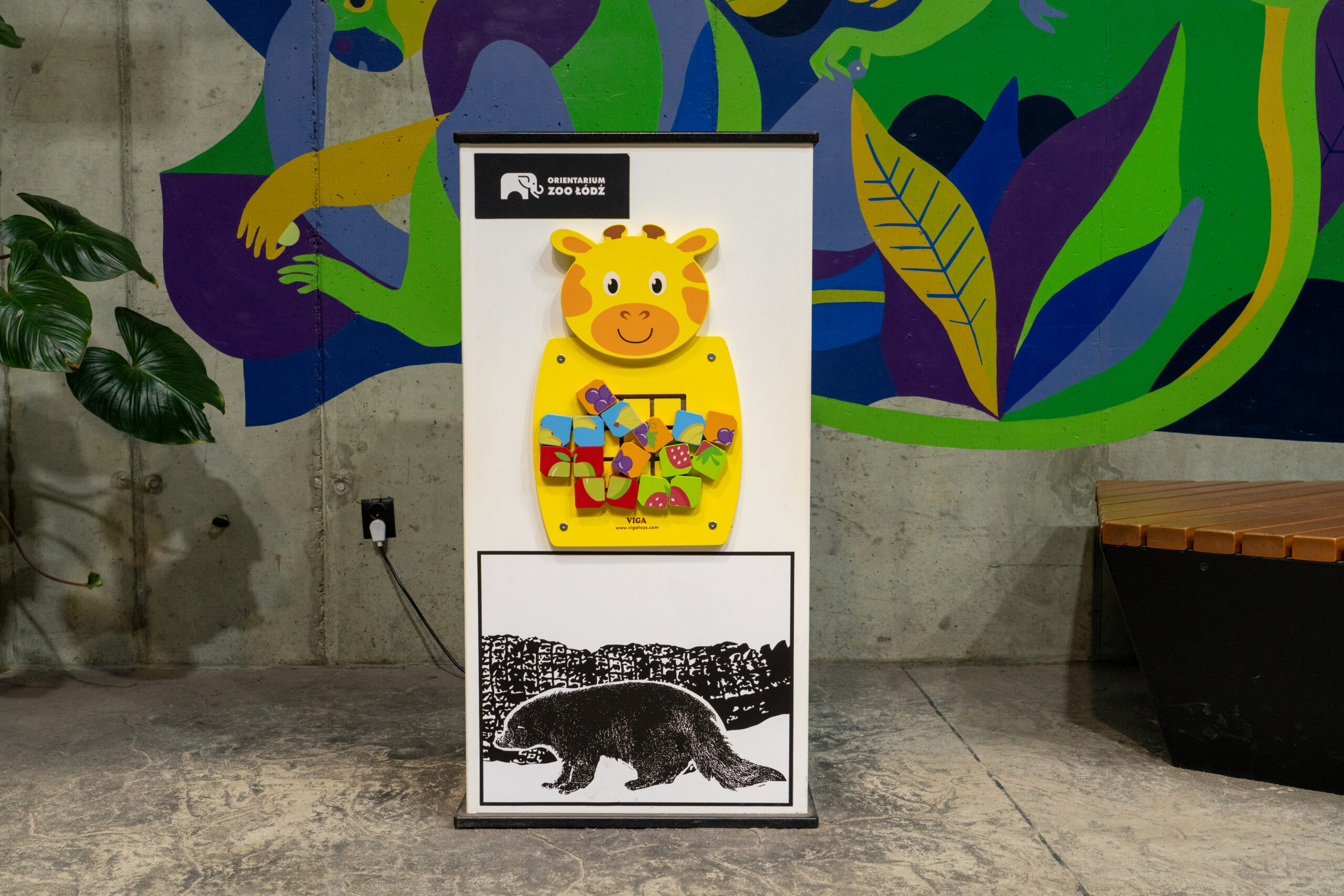
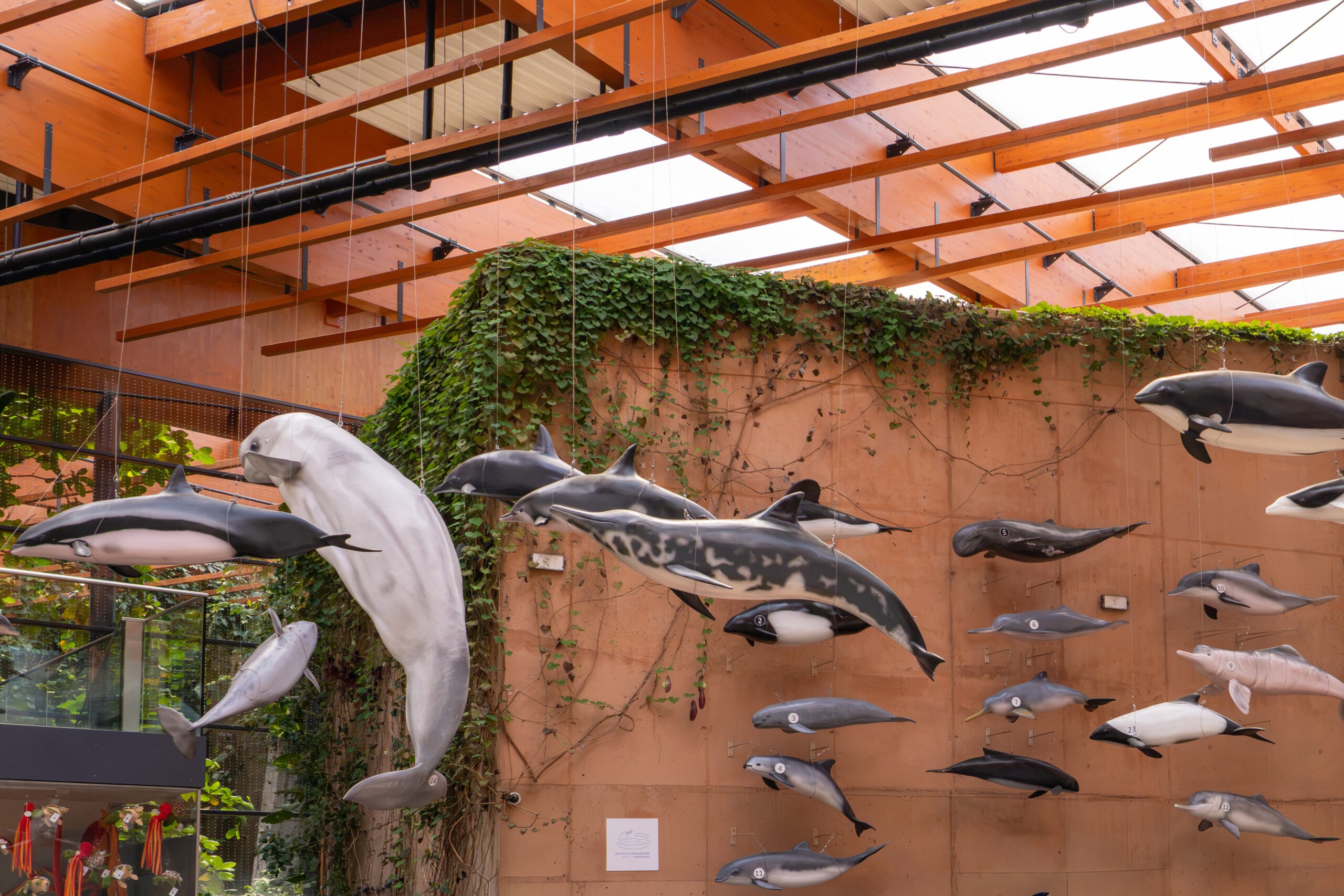
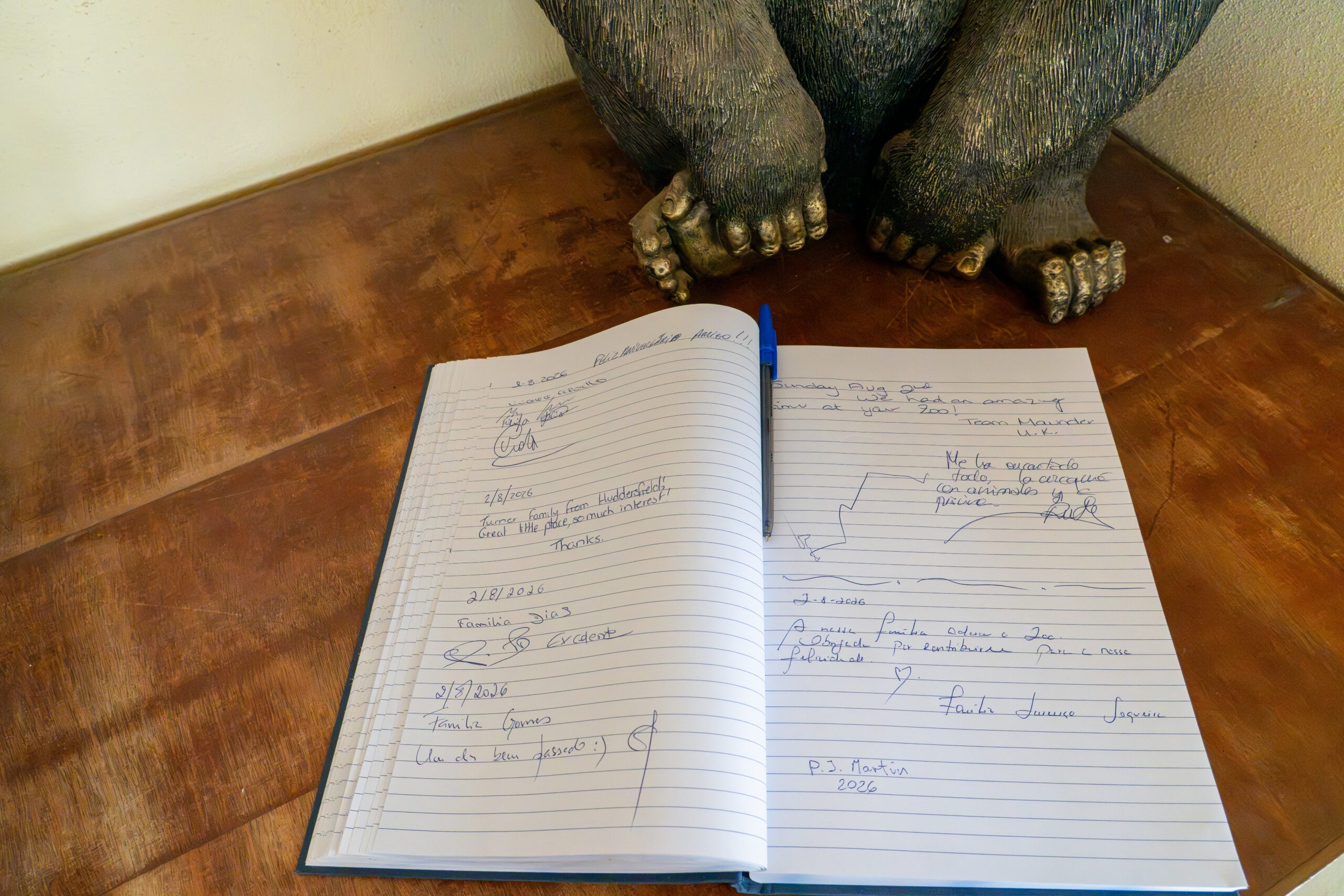
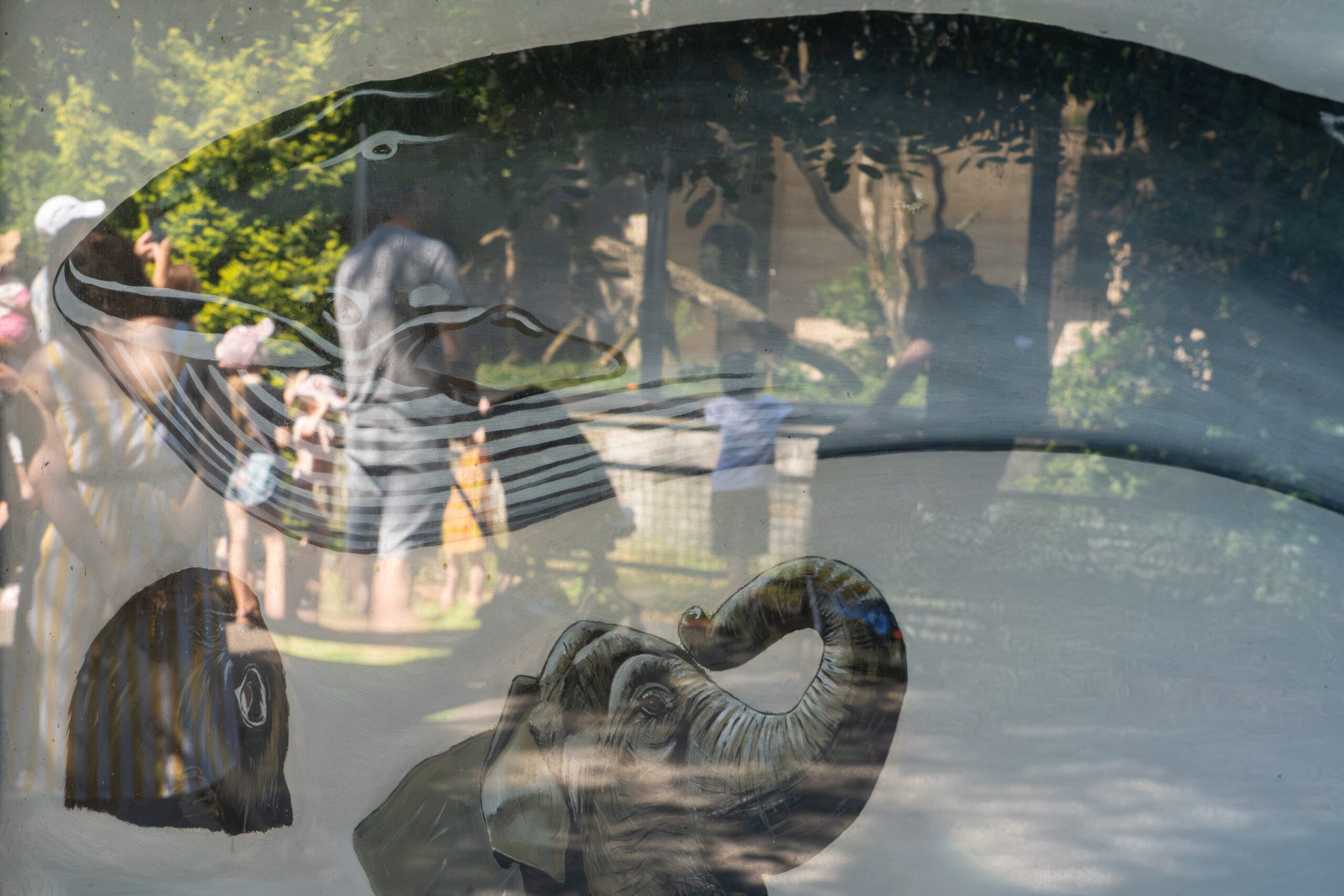
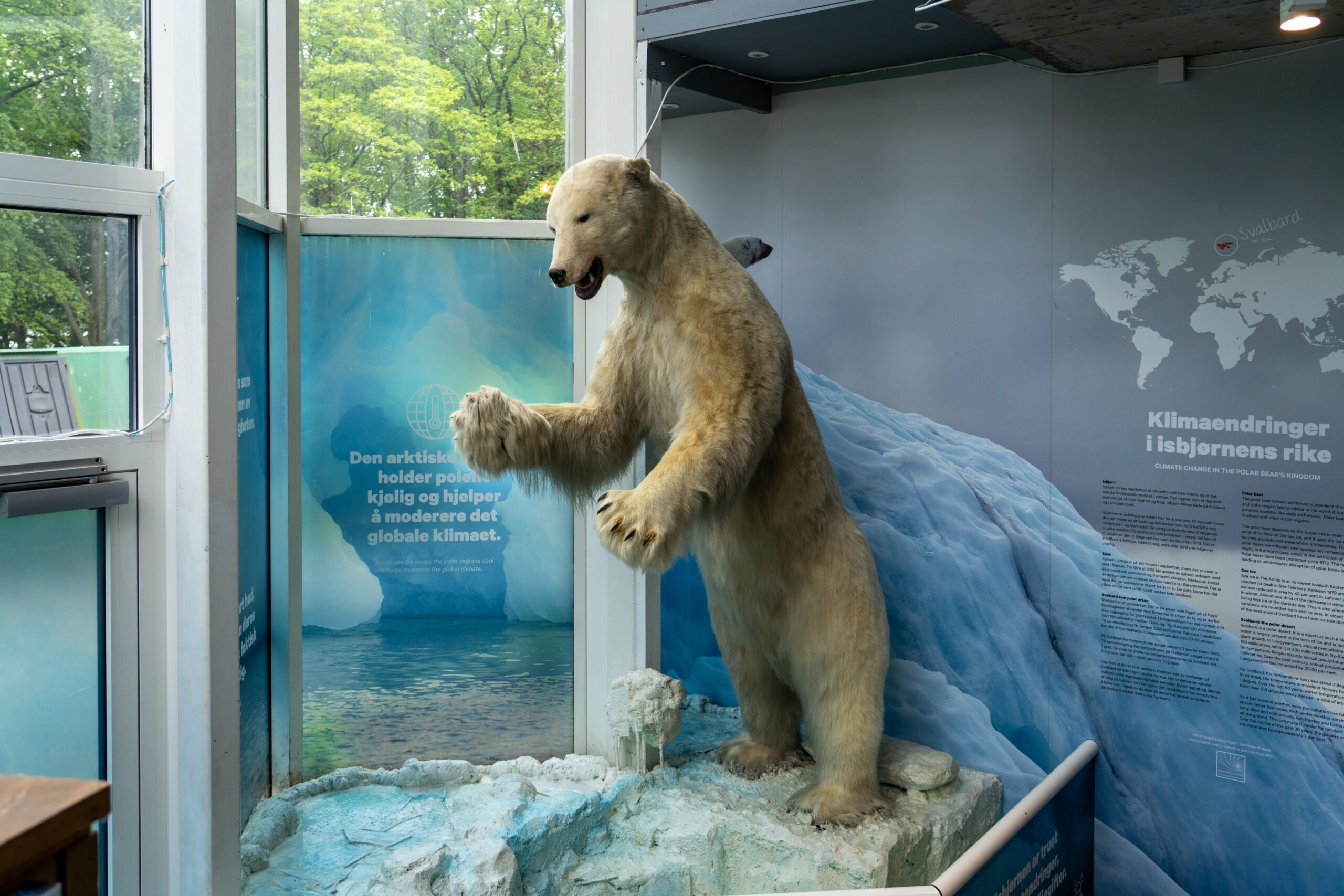
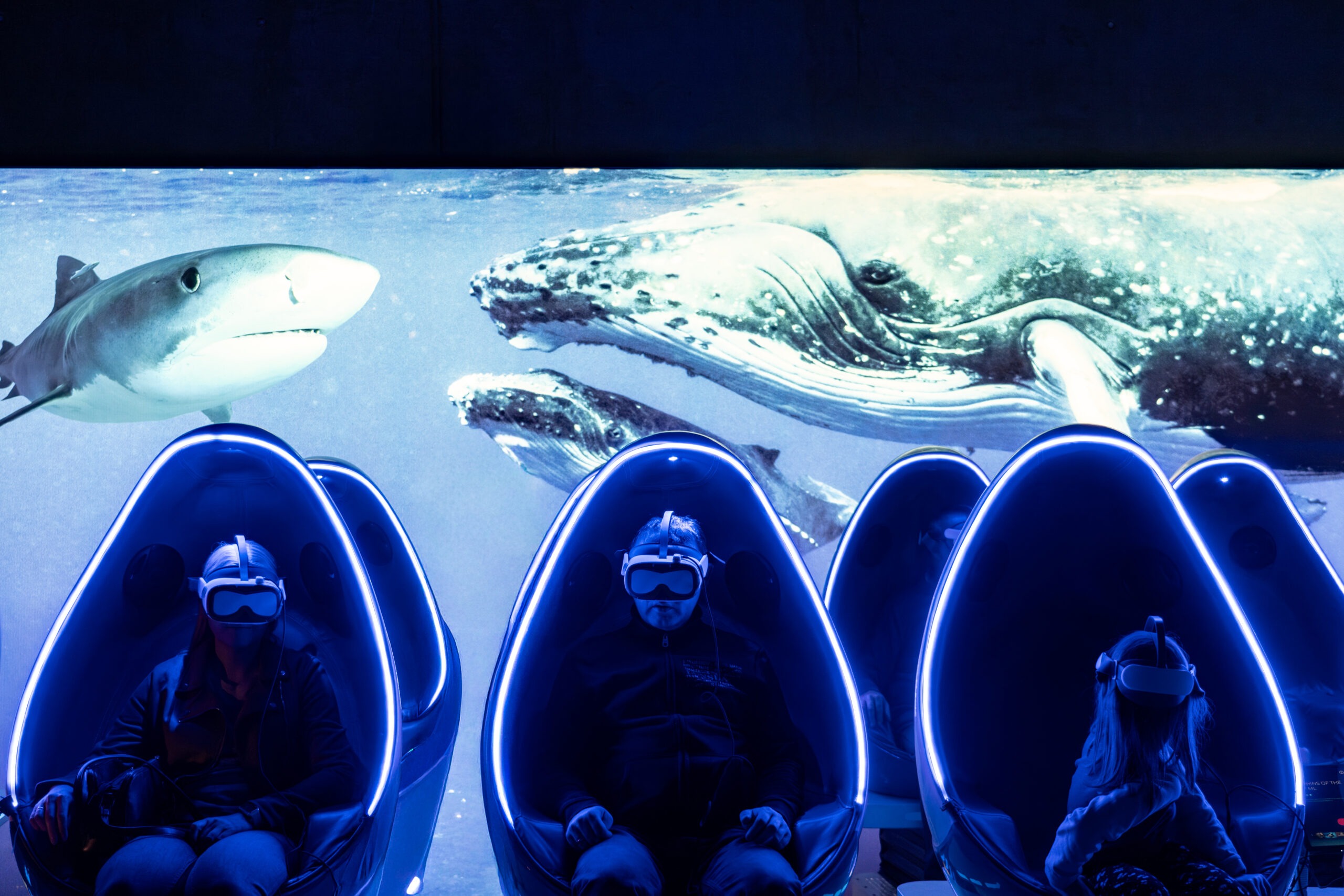
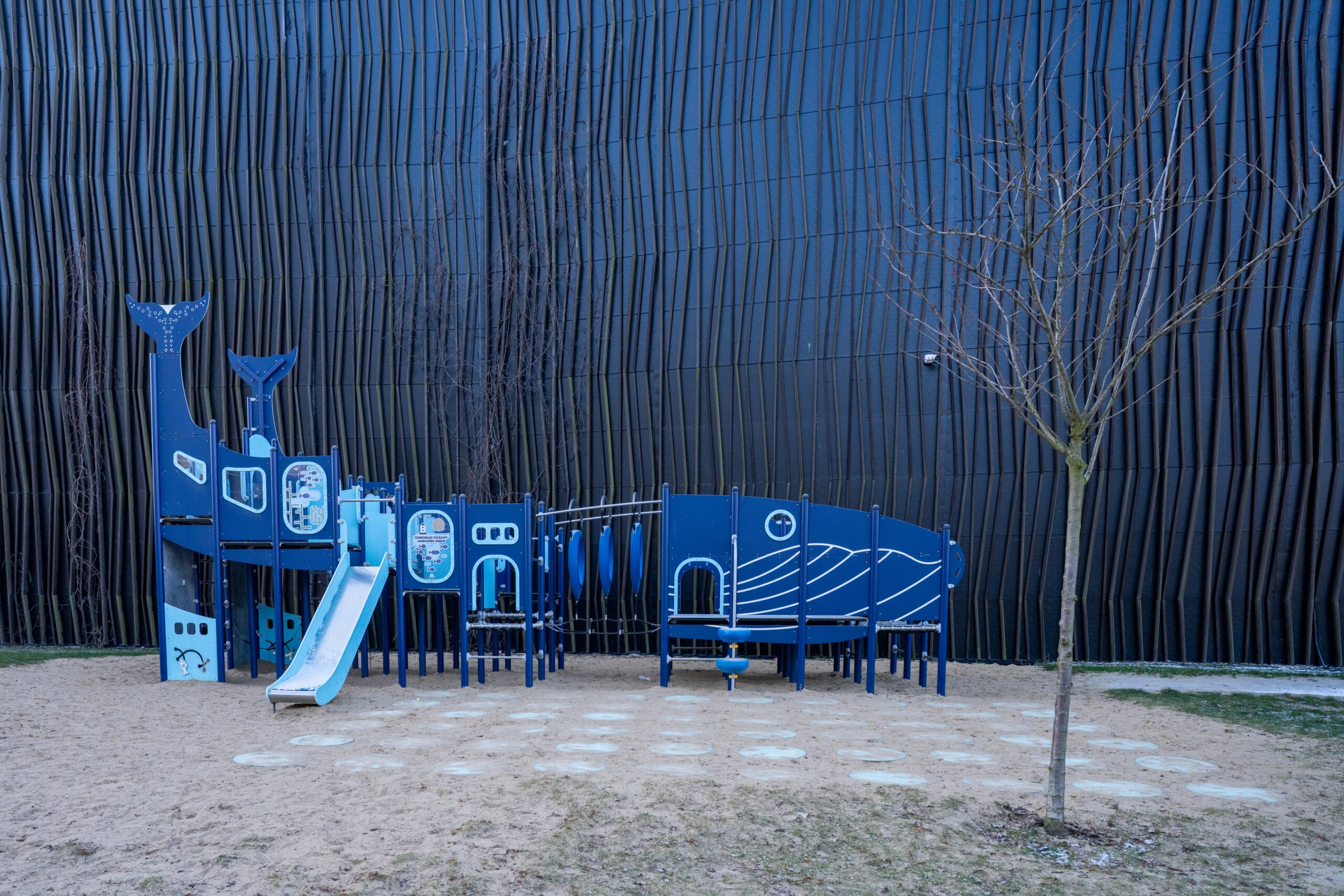
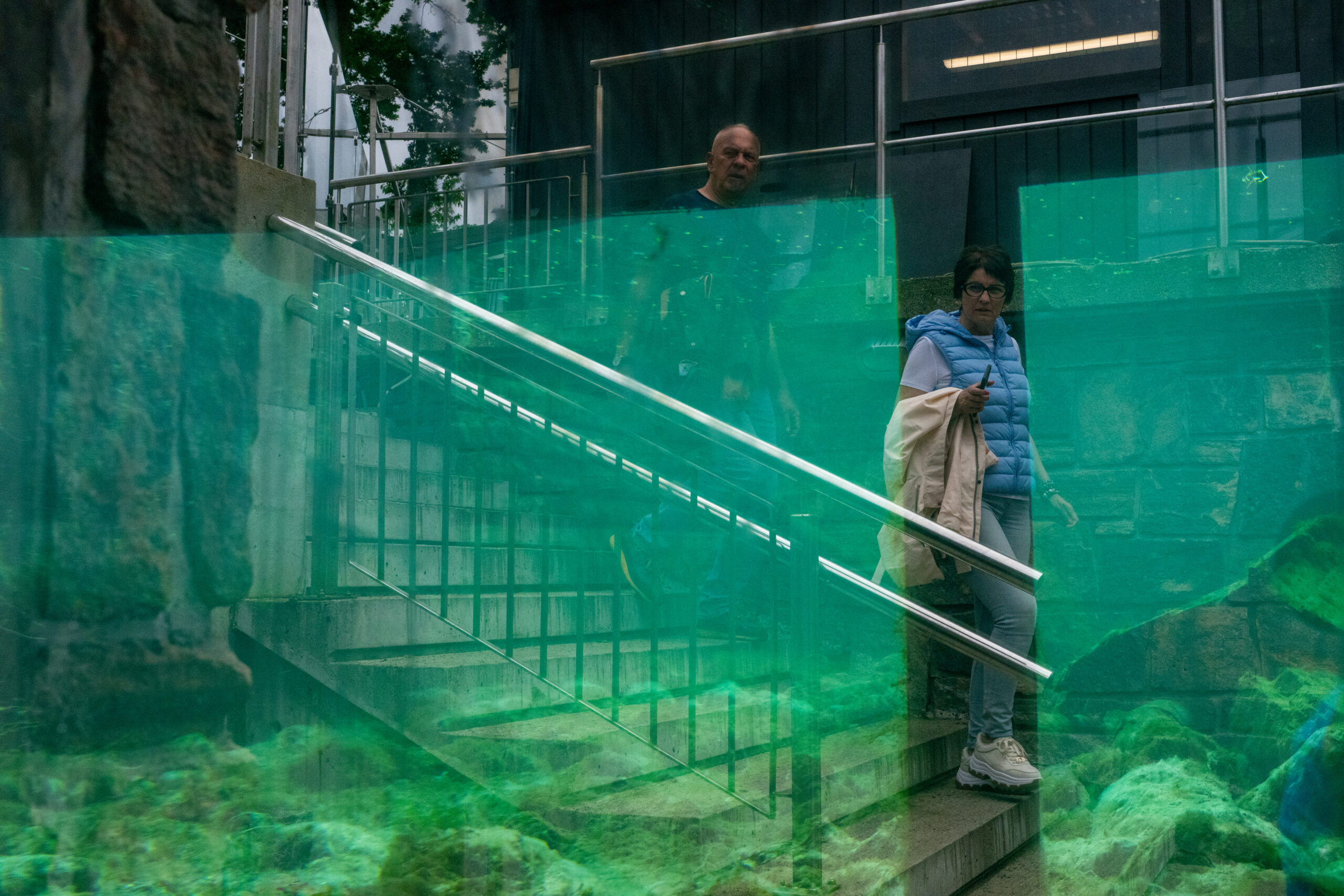

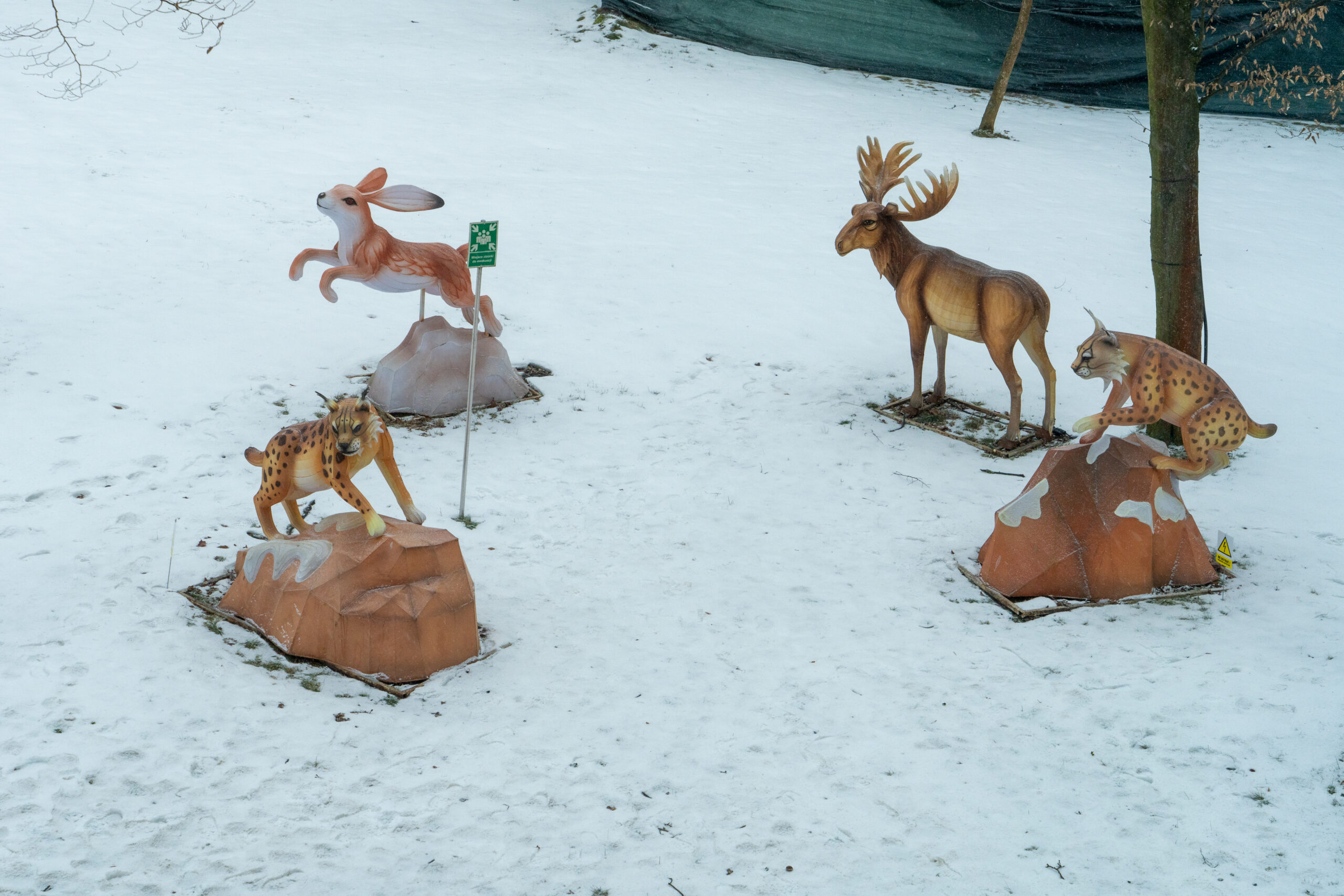

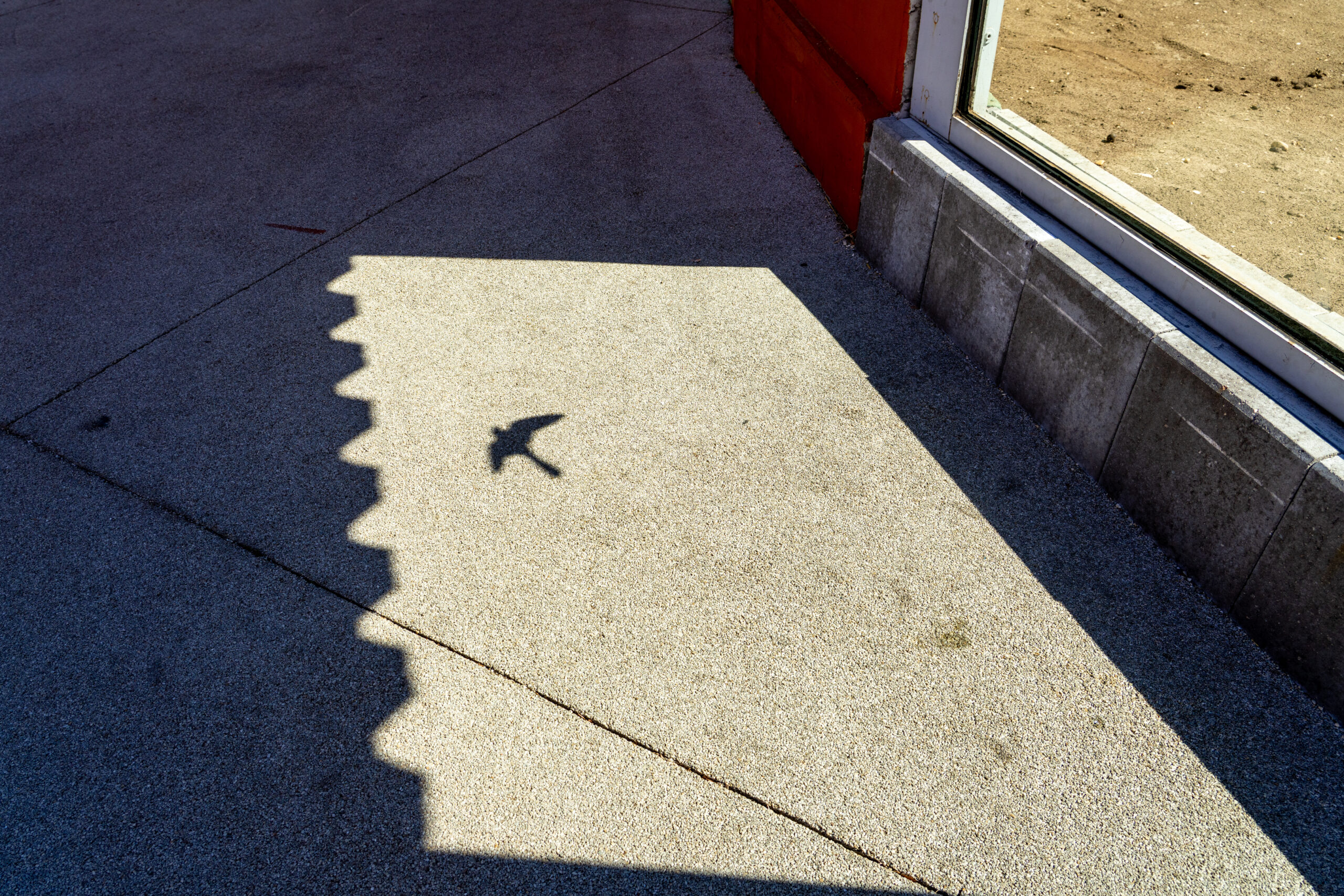


We come to the zoo to see live animals. Yet, while photographing them, I noticed how many animals we encounter before we even reach their enclosures: on maps and information boards, in sculptures, decorations, and signs. Their forms may seem familiar, amusing, or threatening. They help us find our way, attract our attention, and shape our expectations. They influence how we see the animal when it finally appears before us.
So why do we really come to the zoo? Are we seeking an encounter with a wild animal, knowledge about it, or perhaps entertainment? Do its representations bring us closer to the living creature, or do they sometimes suffice in its place? In my photographs, animals, people, and the images we create come together amid glass panels, fences, and designed landscapes. I examine how the zoo shapes our ideas of nature and what those ideas reveal about ourselves.
“ZOO” is an attempt to tell a story not so much about animals as about human beings—about our need to classify, control, and aestheticize the world, as well as the boundaries between what is real and what has been created as its image.
The photographs in this series were taken in nine European zoos. All of them depict scenes as I found them. I neither staged the scenes nor interfered with the situations I photographed, preserving the project’s documentary character.
Author: P. J. Martin
Supervisor: Patryk Karbowski
“ZOO” is part of the graduation exhibition by students of the ZPAF School of Photography.
If these photographs made you pause, I also invite you to visit the ZPAF Old Gallery at 8 Castle Square in Warsaw, where the other graduation projects are on view.
ZOO you there!
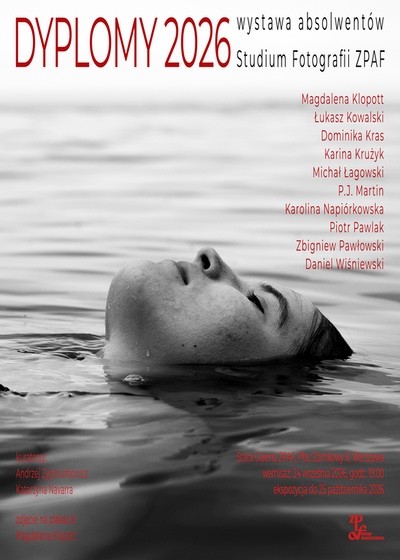
Stara Galeria ZPAF, 8 Plac Zamkowy, Warsaw
Opening reception: Thursday, 24 September at 7:00 p.m.
Exhibition on view until 25 October 2026
Organiser: Warsaw Chapter of the Association of Polish Art Photographers (ZPAF)
Exhibition curators: Andrzej Zygmuntowicz and Katarzyna Navarra
Public diploma defences: Sunday, 25 October, from 11:00 a.m.
Poster photograph by: Magdalena Klopott
Diploma projects:
➽ Magdalena Klopott
➽ Łukasz Kowalski
➽ Dominika Kras
➽ Karina Krużyk
➽ Łukasz Łagowski
➽ P. J. Martin
➽ Karolina Napiórkowska
➽ Piotr Pawlak
➽ Zbigniew Pawłowski
➽ Daniel Wiśniewski
Completing a diploma project marks the end of an important stage in the process of acquiring knowledge. At many universities, the final project is highly specific, reflecting the concrete nature of the subjects taught there. There are, however, universities and schools where such a precisely defined approach is rarely possible. The projects that conclude an education at an art school tend to be less clear-cut. Here, too, a diploma project is intended to demonstrate the skills acquired: mastery of the technical and aesthetic tools used to create works capable of captivating an audience.
Above all, however, it should embody values that cannot be fully measured. Foremost among them is the ability to analyse a chosen aspect of contemporary life and present it through artistic means in a way that elicits a response and encourages reflection. The viewer’s interpretation need not align with the artist’s vision, but the work should not leave them indifferent. A diploma project should be a serious and independent statement by its author, who must have the courage to present what concerns them in accordance with their own convictions. It should express their truth. The form of the project should reinforce its message while remaining reasonably accessible to its audience.
The diploma projects by students of the ZPAF Photography Programme presented in this exhibition are decidedly diverse, much like contemporary photography and contemporary art themselves. For those who are not photography enthusiasts and therefore do not closely follow its development, photography remains primarily a record of what the human eye perceives. This type of photography dominates the public sphere—in the press, social media and advertising—and it also appears directly in the diploma projects.
Here, however, it takes on a somewhat deeper character, using the conventions of classical photography to address important social issues. Documentary forms record a particular time, situation and material reality, preserving for future generations a sense of what life was like. Classical subjects such as portraiture and still life document people’s appearance and behaviour, as well as the role objects play in their lives. These are characteristic signs of passing time. Such themes feature prominently in the diploma projects on display.
Alongside documentary works, the exhibition also includes intriguing experiments with visual form. In these projects, photography is merely the starting point for creating images in which colours entice the eye and forms resist unequivocal interpretation, becoming puzzles that may be solved differently by different viewers.
For photographers, reality—the world seen directly—is not the only thing that matters. The artist’s imagination is equally important, and it too can be used to create photographic images. Such images originate in the mind, while their realisation, often in a highly complex form, involves combining photographic elements with other techniques and processes that contribute to the construction of the final work.
Photography is a close relative of visual art forms that emerged centuries ago. It appeared as one of the important tools accompanying rapid technological change. The art world initially embraced new techniques with some reluctance. Today, those former reservations have largely disappeared. Whenever artists feel the need, or when their works require it, they draw upon a wide range of means to strengthen the impact of their art and communicate more powerfully with their audience.
Among the diploma projects presented in the exhibition are works combining a variety of techniques and modes of presentation. They began in the artists’ imaginations, leading them away from conventional imagery and towards allegories and unexpected frames, through which they create narratives of great emotional intensity. Everything that can be seen in this diploma exhibition is photography. The diversity of ideas and the ways in which they are presented reveal the inexhaustible potential of contemporary photography.
Andrzej Zygmuntowicz — Exhibition Curator